Paying back and forward - Why tax evasion worsens your quality of life
.png)

South Africa is drowning, and who’s partly to blame? Tax evaders
Our economy is strained:
- Inequality remains stubbornly high - Unemployment has skyrocketed to record levels.
- Public trust in institutions is fragile - In one survey, 80% of our fellow citizens feel like the government is headed in the wrong direction.
- In a land like ours, tax evasion feels like an assault on our collective future.
Some people treat taxes like they are optional contributions. But in reality, they are the lifeblood of our democracy. According to SARS in 2025, there were roughly R800 million in uncollected tax (including on compliance/unpaid tax - not only criminal evasion).
But taxes are necessary. They fund: The schools that educate our children, The hospitals that care for our families, and the infrastructure that keeps our economy moving.
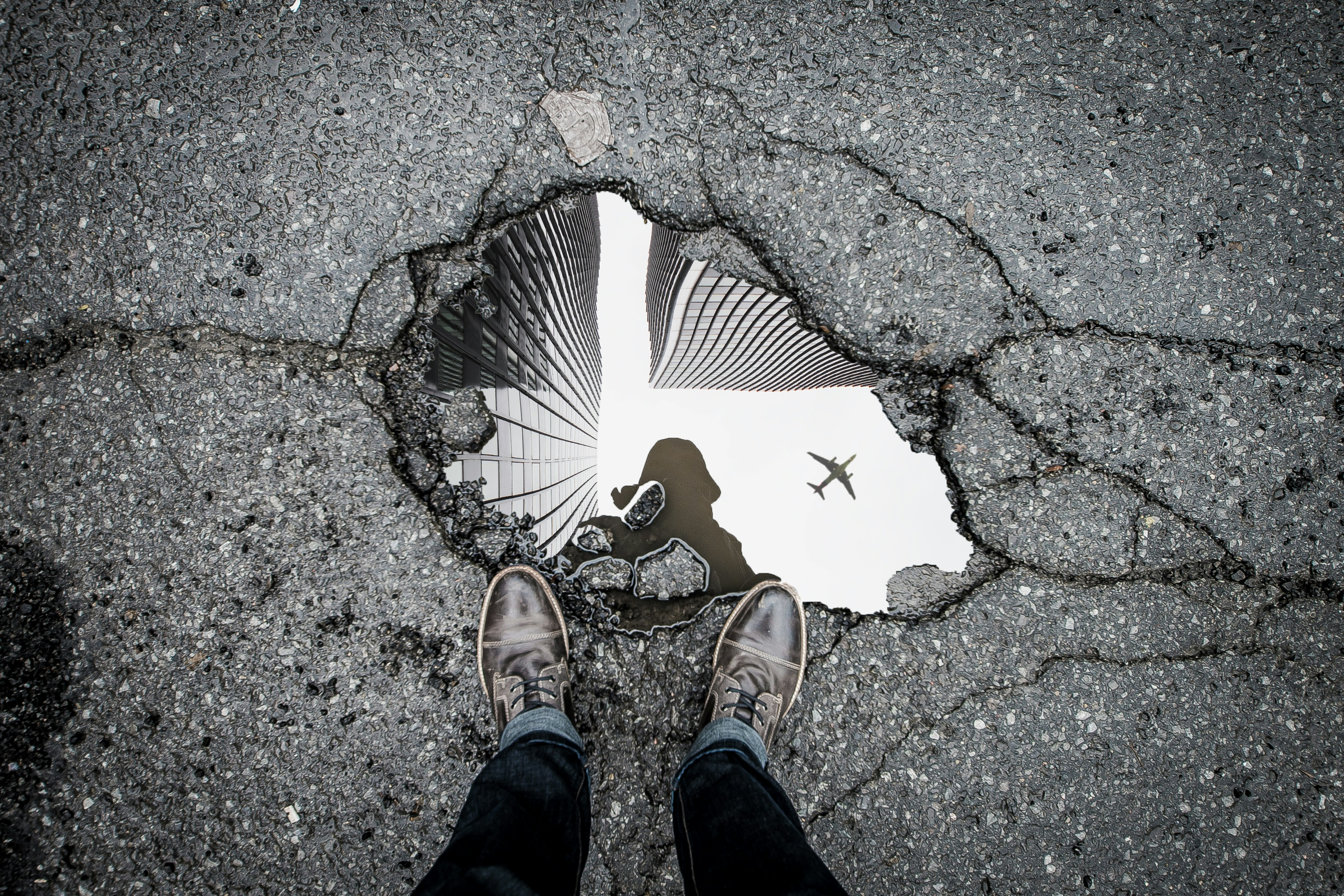
When individuals or corporations evade taxes, they are stealing from every citizen who depends on these services. Truthfully, that's everyone. And this feeling isn’t too far removed, we see it in our everyday lives: that pothole that’s been on the road for years, the provincial and local ‘budget cuts’ - If all taxes due were paid, it’s possible for service delivery to see improvement. Finally, some efficiency!
Revenue shortfalls force the government to borrow more, deepening national debt and limiting investment in SA’s development.
Gross government debt is projected at about R6.1 trillion in 2025/26 (National Treasury)
Honest taxpayers shoulder a heavier burden, while evaders enjoy the unfair advantage of just not paying. Worse still, tax evasion widens inequality, as the wealthy often have the means to exploit loopholes. sadly, ordinary citizens are left to pay the price.
SARS said 85 cases were finalised in 2023/24, securing guilty verdicts and direct imprisonment sentences totaling 49 years, with a 95% conviction rate.
South Africa cannot afford this hidden cost. Every rand lost to evasion is a classroom without textbooks, a clinic without medicine, a road left in disrepair. And beyond the economic damage lies the erosion of trust. Tax evaders are weakening the very fabric of our democracy.
SARS is a heavy hitter in the economy. SARS’s 2025/26 revenue estimate was R2.0069 trillion. Truthfully, the government has been relying on improved collection and compliance to ease that fiscal pressure.
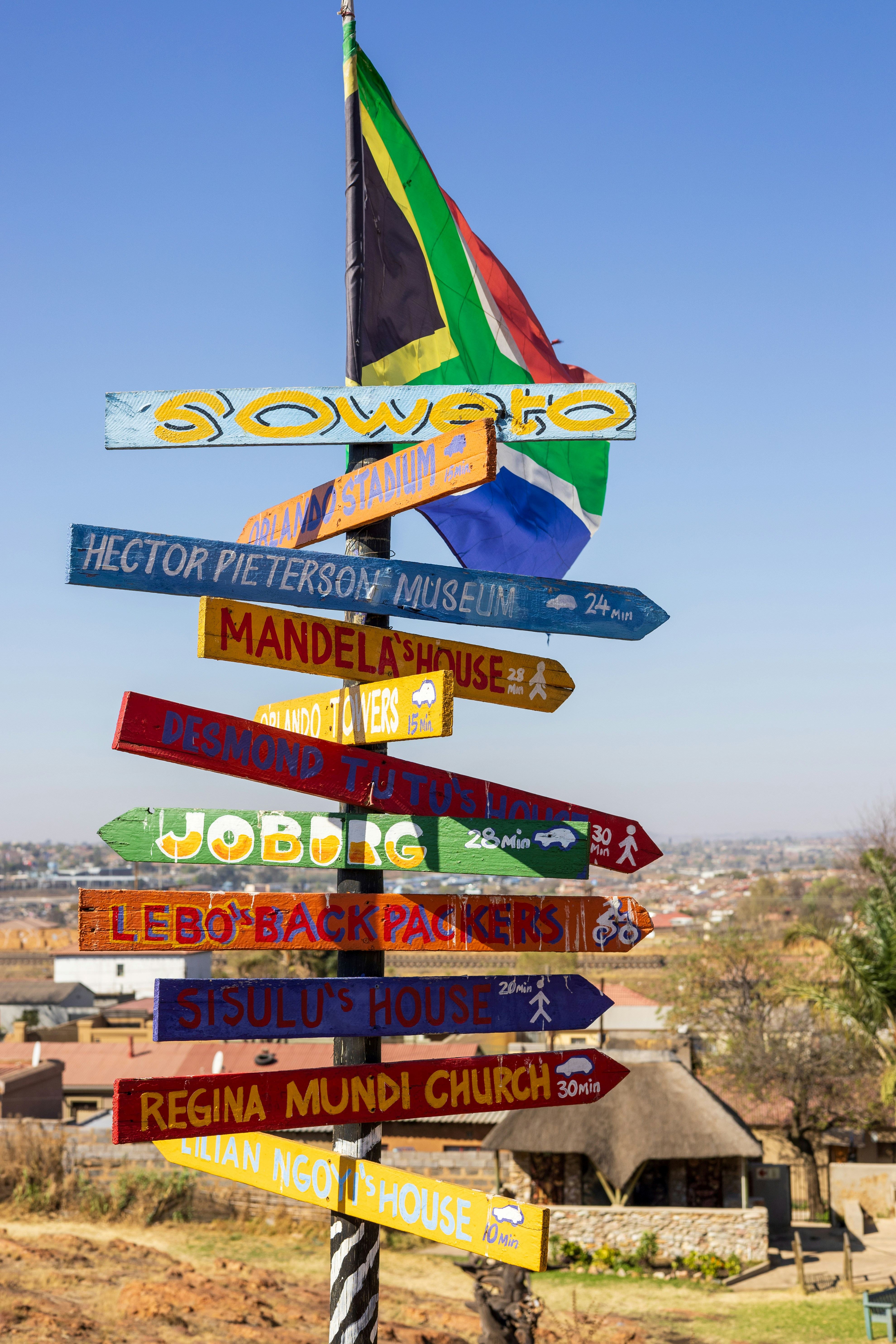
“It’s not like that hospital will get fixed anyway”
Citizens have the right to demand accountability and transparency in how taxes are spent. There is no denying that South Africa has a corruption problem, and mismanagement must be confronted head‑on.
But withholding taxes is not the answer.
1 in 3 South Africans believe that most or all tax officials are involved in corruption.
Elected officials and public servants can’t beat the allegations: The commission of inquiry into former President Jacob Zuma’s terms served, and the current police force scandal can only instil lost faith.
The solution lies in stronger oversight, an active civil society, and a commitment from both government and citizens to honour their responsibilities.
Tax shouldn’t feel like a burden; the intention is a lot more beautiful than that - it is a system that maintains our current society for all. B
The call to action is clear: pay your share, demand accountability, and support initiatives that strengthen compliance. Tax evasion may seem like a shortcut, but in truth it is a dead end—for our economy, our society, and our democracy.
.png)
.png)
.png)